
When Storms Austen and Boelo swept across the UK last month, they left more than 90,000 homes without power. Roads flooded, trees fell, and entire communities felt the impact of severe weather.
But while most people experience the aftermath from their homes and businesses, Robin Sadler, Cornerstone’s Build Delivery Manager, faces a different challenge, getting to the infrastructure that helps keep those communities connected.
Across Wales, Northern England and Scotland, Robin helps oversee telecoms infrastructure in some of the most remote parts of the country. During a storm, a site fault is rarely the biggest challenge – simply reaching the site is.
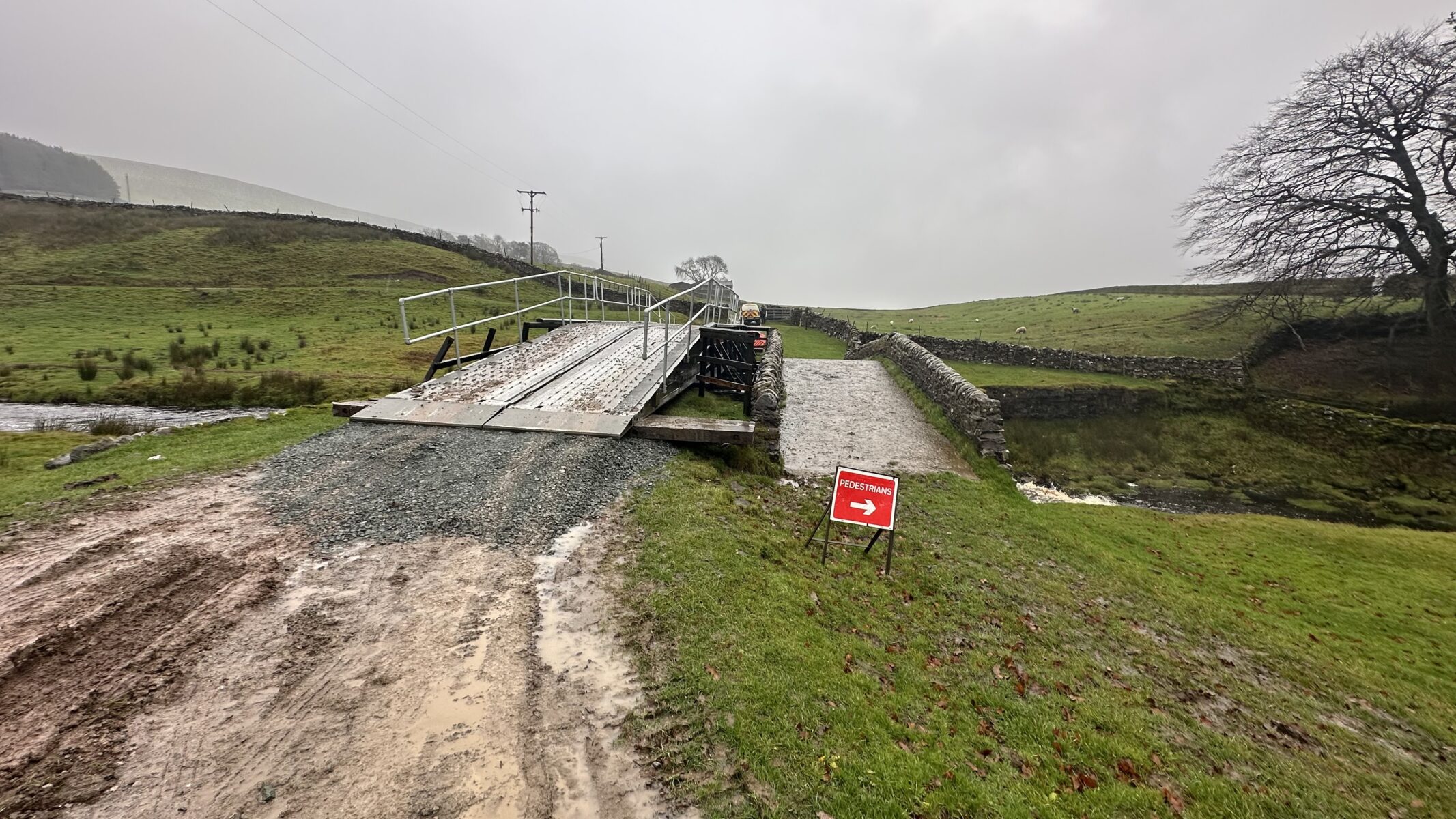
“During recent storms, we’ve encountered everything from fallen trees to flooded access routes and swollen rivers,” Robin explains. “The challenge isn’t always fixing the problem. Sometimes it’s getting the right people, vehicles and equipment safely to the site so repairs can begin.”
In these environments, a route that was accessible a week earlier can disappear overnight. Forestry tracks become impassable beneath fallen trees, peatland turns to bog, and river crossings that were once straightforward become unsafe.
Yet the need for connectivity doesn’t stop when the weather changes.
For rural communities, mobile connectivity can be a lifeline during severe weather, helping people contact family, access emergency services, work remotely and stay informed as conditions develop.
Reaching the places others can’t
Many of the sites Cornerstone supports are located in remote areas for a reason: they’re the locations needed to extend coverage into rural communities through programmes such as the Shared Rural Network. Just getting there often requires far more than just a van.
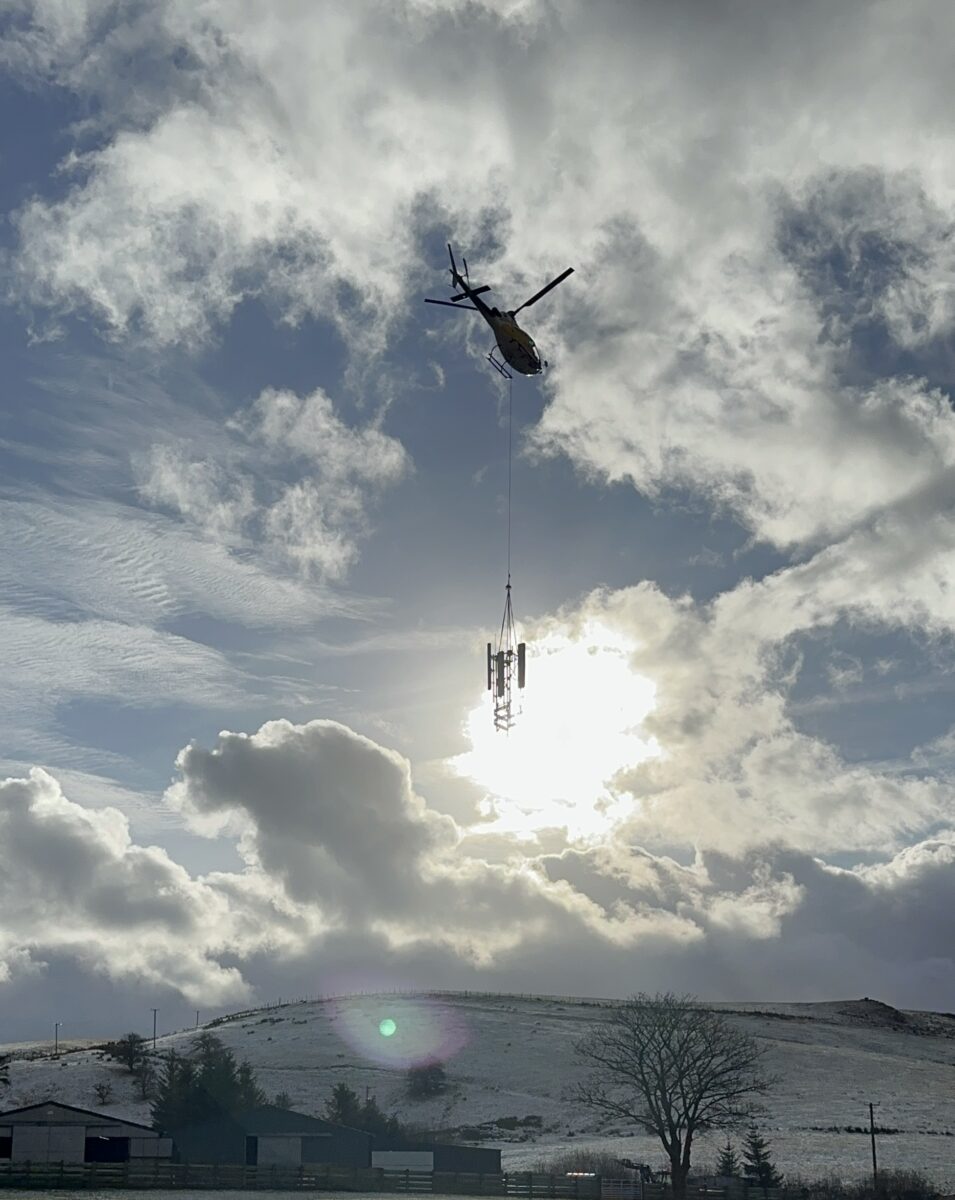
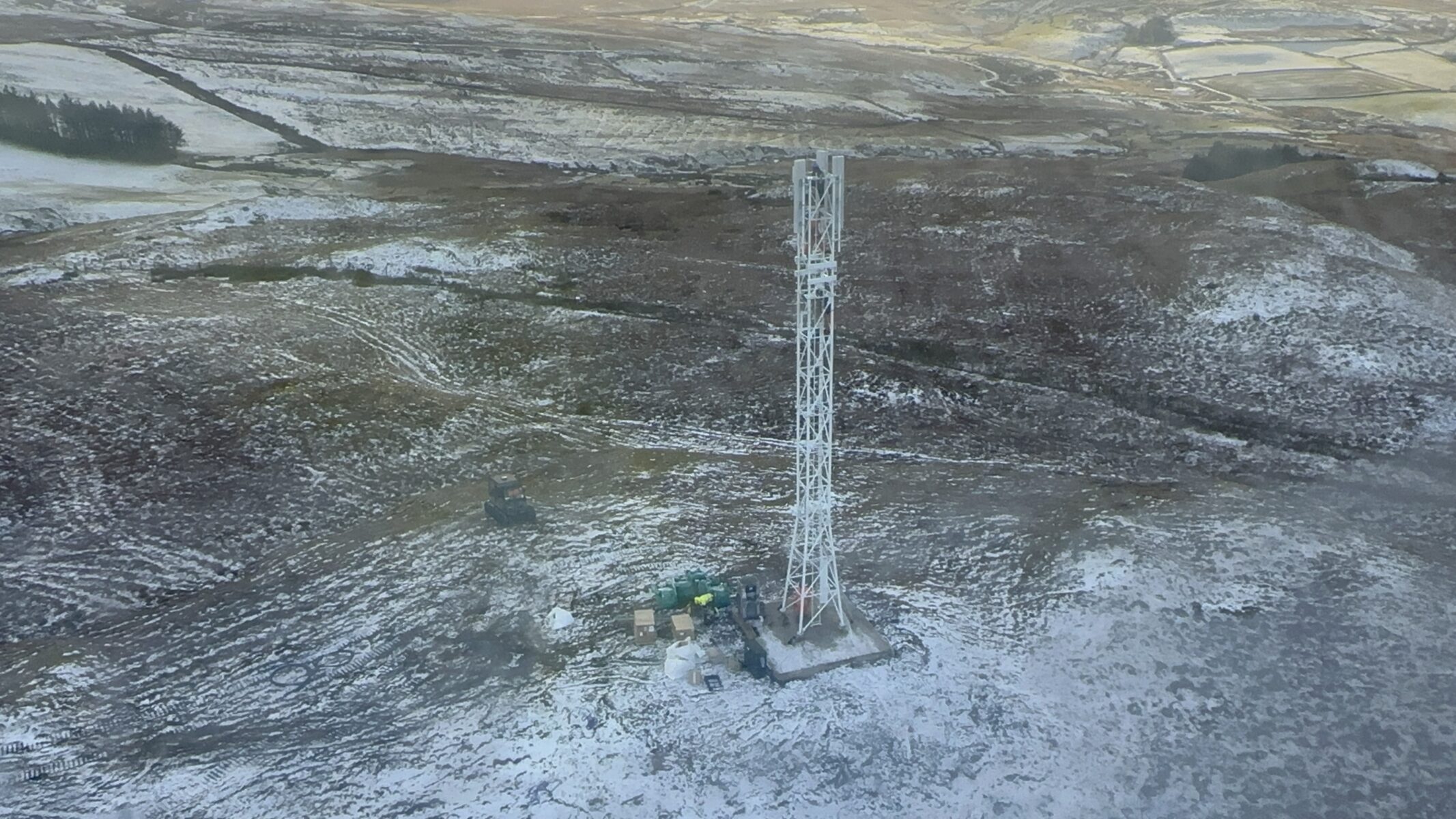
Robin’s teams regularly travel across peat plains, mountain tracks and dense forestry. Depending on the location and conditions, access may require specialist off-road vehicles, tracked transport, cranes or, in the most challenging cases, helicopters capable of lifting tower sections and materials into otherwise inaccessible locations.
“We manage builds in some of the most challenging locations across Wales, Northern England and Scotland,” says Robin. “Every location brings its own challenges.”
The weather shapes every stage of the job. High winds can halt lifting operations while heavy rain can transform ground conditions within hours. Snow can cut off access completely.
Preparation that starts months before the weather turns
One of the biggest misconceptions about restoring service after severe weather is that the work starts when something goes wrong. In reality, much of the work has already happened.
Relationships developed with landowners, local communities and access providers often prove invaluable when conditions deteriorate. Understanding the local landscape, knowing alternative routes and being able to adapt quickly can make the difference between reaching a site in hours rather than days.
That preparation extends to the environments surrounding the infrastructure itself. Teams must carefully plan work across sensitive landscapes, balancing the need for reliable connectivity with the protection of peatland, forests and habitats that support species such as golden eagles, bats and ground-nesting birds.
The result is infrastructure designed not just to serve communities today, but to remain accessible and sustainable long into the future.
When connectivity can’t wait
Some of the most challenging work happens at sites operating on temporary power while waiting for permanent electricity connections. During prolonged periods of severe weather, keeping these sites running can become a logistical exercise in its own right.
“In some cases, we’re crossing peat bogs and navigating sheep tracks with specialist plant and fuel bowsers behind us just to reach a site,” Robin says.
It’s a vivid image, but the purpose is simple. Somewhere beyond those flooded tracks and remote hillsides are homes, farms and businesses relying on a connection that most people rarely think about until it’s gone. Fuel still needs to be delivered to power equipment still needs to be maintained – sites still need to operate and keep communities together.
And often, all of that has to happen while the weather continues to make the journey more difficult.
The people behind the signal
When access routes fail and conditions deteriorate, restoring service depends on far more than infrastructure.
It relies on planners identifying solutions, landowners sharing local knowledge, delivery teams coordinating access, and engineers and riggers travelling into difficult locations to complete repairs safely and efficiently.
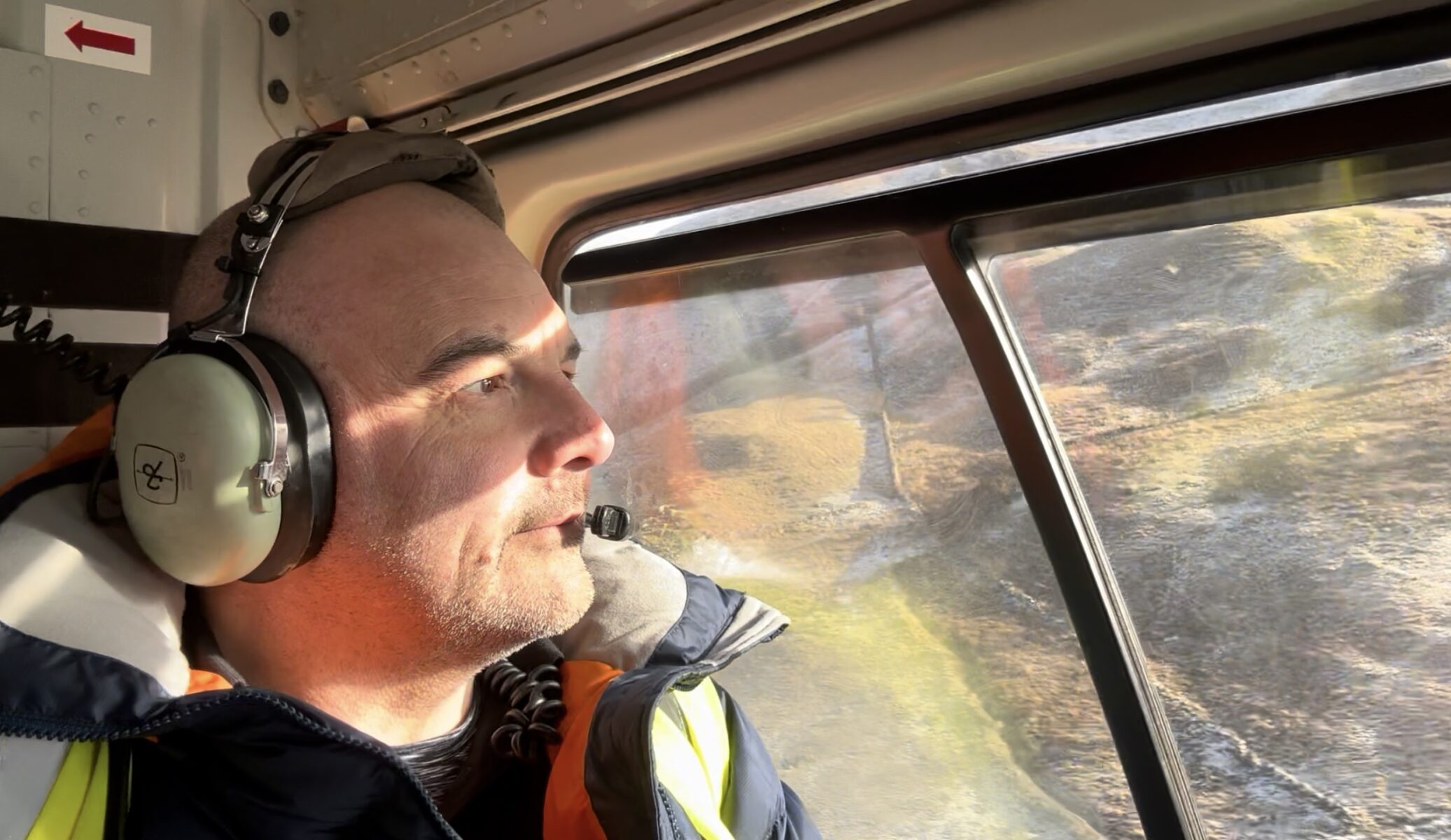
“When issues arise, everybody works together to find the best way to restore service,” says Robin. “Our rigging teams climb structures to repair faults and damage, while another specialist team helps to overcome access challenges.”
It’s work that rarely makes headlines, but every restored connection represents something tangible: a business staying operational, a family staying in touch, a community remaining connected when isolation would otherwise be another consequence of the storm.
As severe weather becomes a more familiar feature to us, the importance of reaching these sites only grows. Network resilience isn’t simply built into the infrastructure; it’s found in the planning, expertise and determination of the people who keep it running. Often working out of sight, they’re helping ensure that distance and difficult conditions don’t become another barrier for the communities that depend on staying connected.