
- More than 5,000 Remote Multi-Skilled Visits completed, transforming how mobile infrastructure projects are delivered across the UK.
- Over 1,000 tonnes of CO₂e saved in the last three years, equivalent to the annual carbon absorption of approximately 48,000 trees.
- Around 70% lower emissions per visit and a typical design process halved, accelerating project delivery while reducing travel and site-based risk.
Cornerstone has saved more than 1,000 tonnes of CO₂e over the last three years through the adoption of Remote Multi-Skilled Visits (RMSVs), a pioneering approach that is transforming how mobile infrastructure is designed and delivered across the UK.
The RMSV process uses drone surveys and digital twin technology to create a virtual site model, enabling stakeholders to assess, design and agree infrastructure requirements remotely, cutting emissions, improving safety and reducing project delivery times by up to 50%.
Traditionally, Multi-Skilled Visits (MSVs) require multiple specialists from customers, suppliers and engineering teams to travel to site locations to assess infrastructure requirements, agree design strategies and identify delivery needs. While effective, the process can involve repeated site visits, extensive travel and increased exposure to the risks associated with working at height.
By contrast, Cornerstone uses drone technology and digital twin modelling to enable many of these activities to be carried out remotely, reducing travel requirements, improving collaboration and accelerating project delivery.
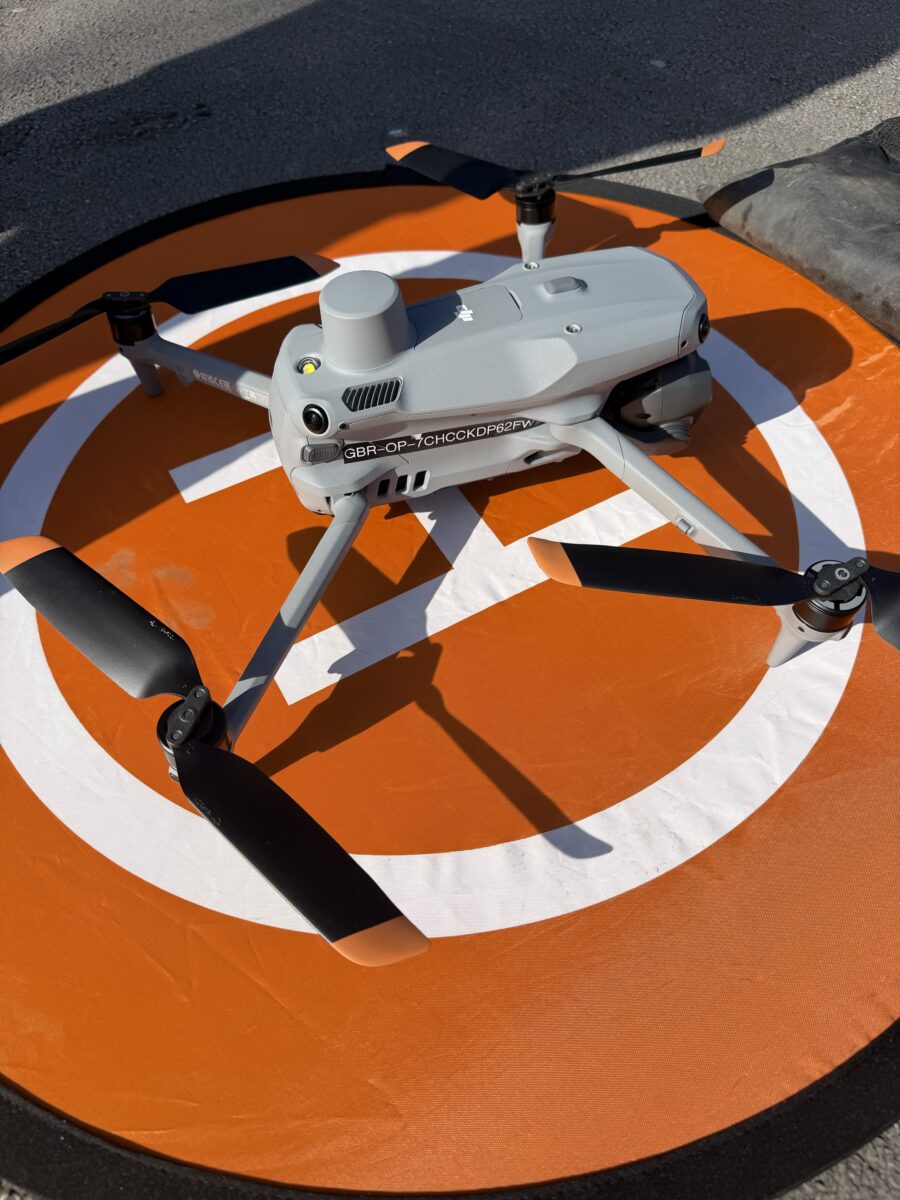
To date, Cornerstone has completed 5,099 RMSVs, delivering significant environmental and operational benefits. Each RMSV reduces emissions by approximately 200 kgCO₂e compared to a traditional site visit, equating to a reduction of around 70% per visit.
Collectively, this has resulted in emissions savings of more than 1,000 tonnes of CO₂e, equivalent to the annual carbon absorption of approximately 48,000 trees.
Delivering better outcomes for people and planet
The benefits extend beyond carbon reduction.
Traditional site visits often require multiple engineers and surveyors to travel to remote locations and undertake work on active telecommunications infrastructure. RMSVs reduce the number of people required on site, helping minimise unnecessary journeys and limiting exposure to potential safety risks while ensuring projects can still be assessed and designed effectively.
At the same time, the use of digital twins provides teams with richer site information, enabling earlier identification of design requirements, improved reporting and stronger collaboration between stakeholders.
The result is a process that is not only more sustainable, but also faster and more efficient.
How does it work?
The RMSV process begins with a focused site survey, typically involving a drone pilot and engineer. Using advanced drone technology, thousands of images are captured from multiple angles to create a detailed digital twin of the site and surrounding environment.
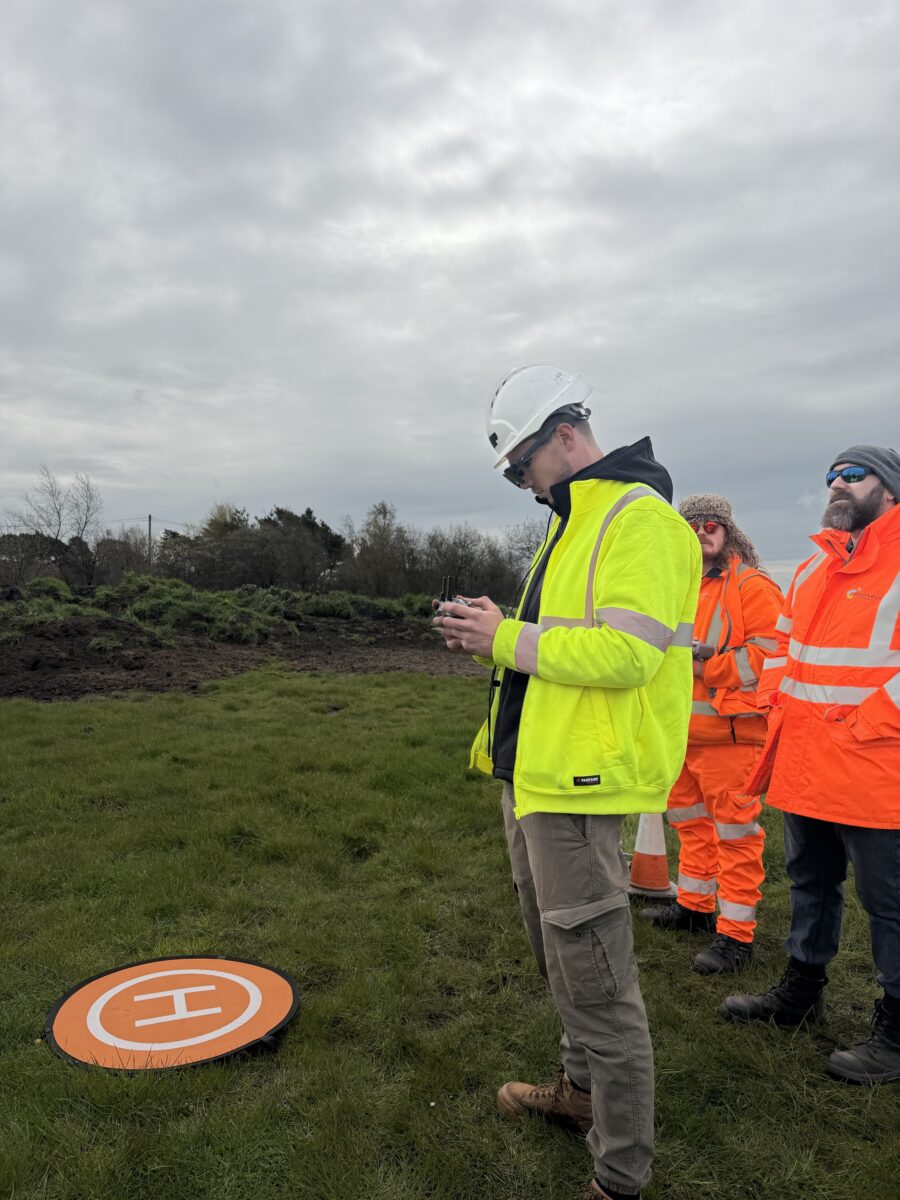
Troy Goodwin, Cornerstone’s Digital Twin Governance Specialist often pilots the drones and is responsible for overseeing each survey. He said: “An RMSV survey typically takes around two hours from take-off to landing, covering a detailed site walk round, and completing a 360-degree flight around the structure to capture hundreds of high-resolution images from every angle. These images are stitched together into a detailed digital twin, providing accuracy and visibility that traditional methods struggle to match. Compared against conventional MSVs, RMSV surveys are quicker to deploy, reduce the need to work at height and are much more efficient for large or complex assets.
“They also substantially reduce travel, repeat visits and site disruption, lowering the survey process’s environmental impact,” he concluded.
This virtual model can be produced in as little as five days and allows engineers, designers and project stakeholders to assess the site remotely, collaborate online and agree infrastructure requirements without the need for multiple physical visits.
The example shown below, provided by Beth Alexander, Digital Twin Governance Specialist, shows a site in the south of England undergoing the RMSV process. This site serves a football stadium, an Accident and Emergency department, a major train station, a school, and a business and shopping centre. This image is the 3D site model with proposed ICNIRP zones during the RMSV. With so many outlets relying on this one site’s digital infrastructure, being able to assess it quickly and collaborate effectively is essential.
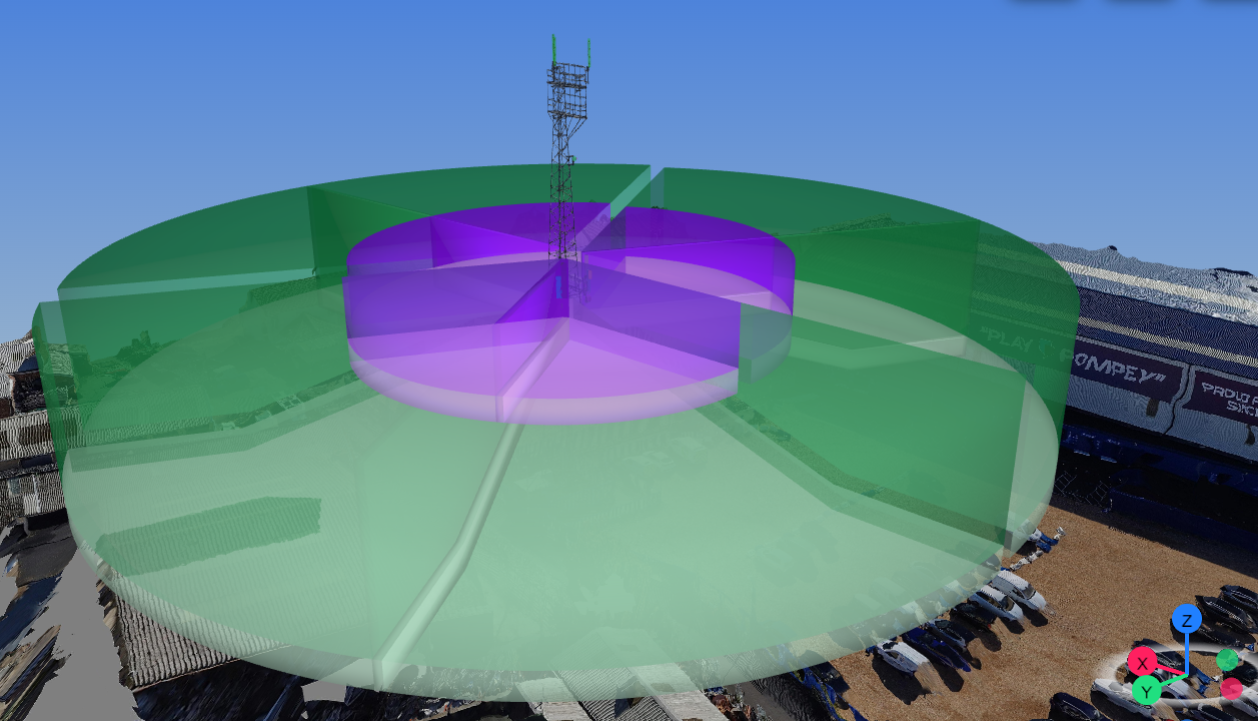
As a result, the typical site design process can be reduced from around 200 days to 100 days, enabling faster deployment and improved delivery outcomes.
Driving more sustainable infrastructure delivery
As demand for mobile connectivity continues to grow, Cornerstone is focused on finding new ways to reduce environmental impact while maintaining the high standards required to support the UK’s digital infrastructure.
Remote Multi-Skilled Visits demonstrate how digital innovation can support that ambition, reducing emissions, improving safety and helping deliver critical infrastructure more efficiently.
Design Assurance Specialist Benjamin Youssef, who is part of the Cornerstone team delivering RMSVs said: “As demand for high-speed mobile connectivity grows, Cornerstone’s focus has always been to expand critical UK digital infrastructure in a robust and responsible way. By combining drone imagery with digital twin technology, RMSVs allow us to cut deployment times in half while making substantial strides in site safety and environmental sustainability. By embracing these new operational advantages, we are eliminating thousands of vehicle journeys, preventing over 1,000 tonnes of CO₂e from entering the atmosphere.
“There can be no doubt that RMSVs demonstrate that innovation and environmental supervision can go hand-in-hand, setting a new standard for sustainable infrastructure rollouts in the telecommunications sector,” he concluded.
By rethinking one of the industry’s most established processes, Cornerstone is showing how practical innovation can create meaningful benefits for both people and planet.